
How can organisations cost-effectively migrate legacy SAS workloads using AI at scale on Databricks?
Organizations in regulated industries often rely on analytics platforms that have evolved over decades. As these systems have been continuously expanded and modified, critical business logic has become embedded across thousands of programs and scripts, often with limited documentation and few remaining experts who fully understand them.
Sign upAbstract
Organisations in regulated industries, from financial institutions to pharmaceutical companies and public authorities, often run analytics platforms that have been built, extended, and adapted over decades. These solutions were originally designed around the technology and business requirements of their time, and as new code has continuously been added, copied, and adapted, critical business logic now sits hidden across thousands of programs and scripts, often with limited documentation and few remaining staff who originally built or understood the systems.
The SAS converter is an AI-powered SAS-to-Python migration platform that automates the conversion of legacy SAS code into validated, production-ready Python ETL pipelines. Using a multi-agent AI architecture, it translates complex SAS programs, validates output accuracy through automated reconciliation, generates data lineage and business documentation, and provides a complete audit trail. The solution significantly reduces migration time, cost, and risk while enabling organizations to modernize legacy analytics workloads for cloud and open-source environments.
This enables risk, analytics, and compliance teams to automate routine modelling workflows, reduce time-to-insight for regulatory reporting, detect anomalies faster, and generate confidence-driven business decisions with less manual handover.
Featuring real-world outcomes from regulated industries, this session gives risk, analytics, and IT leaders a clear roadmap to SAS modernisation on Databricks, from discovery and cost modelling through to AI-powered analytics and governance in a regulated environment.
Is this webinar for you and what you will take away?
Risk, analytics, and IT leaders in regulated industries
Risk heads, analytics directors, IT architects, CDOs, and platform leaders responsible for data strategy, SAS estate management, and enabling AI-driven analytics across risk and compliance functions.
What you will take away:
→ A framework for assessing your SAS estate: what to migrate, what to retire, and where AI can displace legacy logic
→ Proven approaches to SAS workload migration on Databricks, including cost-benefit models and realistic timelines that have worked across regulated sectors such as banking, insurance, and life sciences
→ How to design an AI-enabled data platform that reduces manual analytics work while maintaining regulatory confidence
→ A decision roadmap you can take back to your organisation to begin executing against SAS modernisation immediately
Operations, risk management, and business leaders in regulated industries
Chief Risk Officers, operations leaders, heads of regulatory reporting, and business stakeholders who need faster, more reliable insight from complex data and want to reduce dependence on ageing systems.
What you will take away:
→ How AI can answer complex financial questions directly from your data (scenario analysis, stress testing, P&L attribution) without requiring deep technical expertise or lengthy manual preparation
→ What it looks like in practice when SAS workloads are modernised: concrete examples of automating regulatory submissions, enhancing fraud detection, and accelerating model validation
→ How to make the case internally for SAS modernisation: quantified benefits (licensing savings, time savings, risk reduction), governance investments needed, and what success looks like
→ A clearer picture of the decisions your organisation needs to make today to accelerate your path to modern, AI-powered risk and finance intelligence
Reserve your slot! We are looking forward to having you join the discussion.
Our speakers
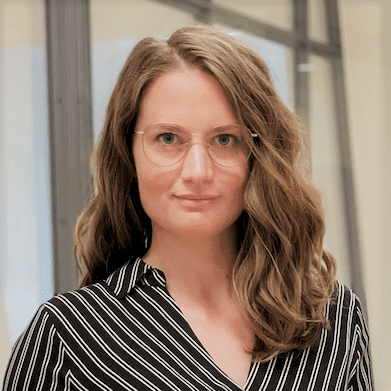
Emilie Lundbye Dalsgaard, Senior Manager | ADC
Emilie Lundbye Dalsgaard is a Senior Manager at ADC with 8+ years of experience in AI and data science, primarily within the financial sector. She has a strong track record of integrating advanced analytics and machine learning models into large organizations in ways that create tangible value for users, developers and business stakeholders, balancing considerations across organization, technology and commercial impact. Emilie is experienced in leading cross‑functional agile teams as lead developer, architect, engineer and product owner, and is known for delivering lightweight, modular and secure end‑to‑end solutions. She has led the development of Novo Nordisk’s Medical AI and Analytics Platform for clinical imaging and omics data and previously played a key role in building PFA’s internal data science platform, infrastructure and production ML models.
LinkedIn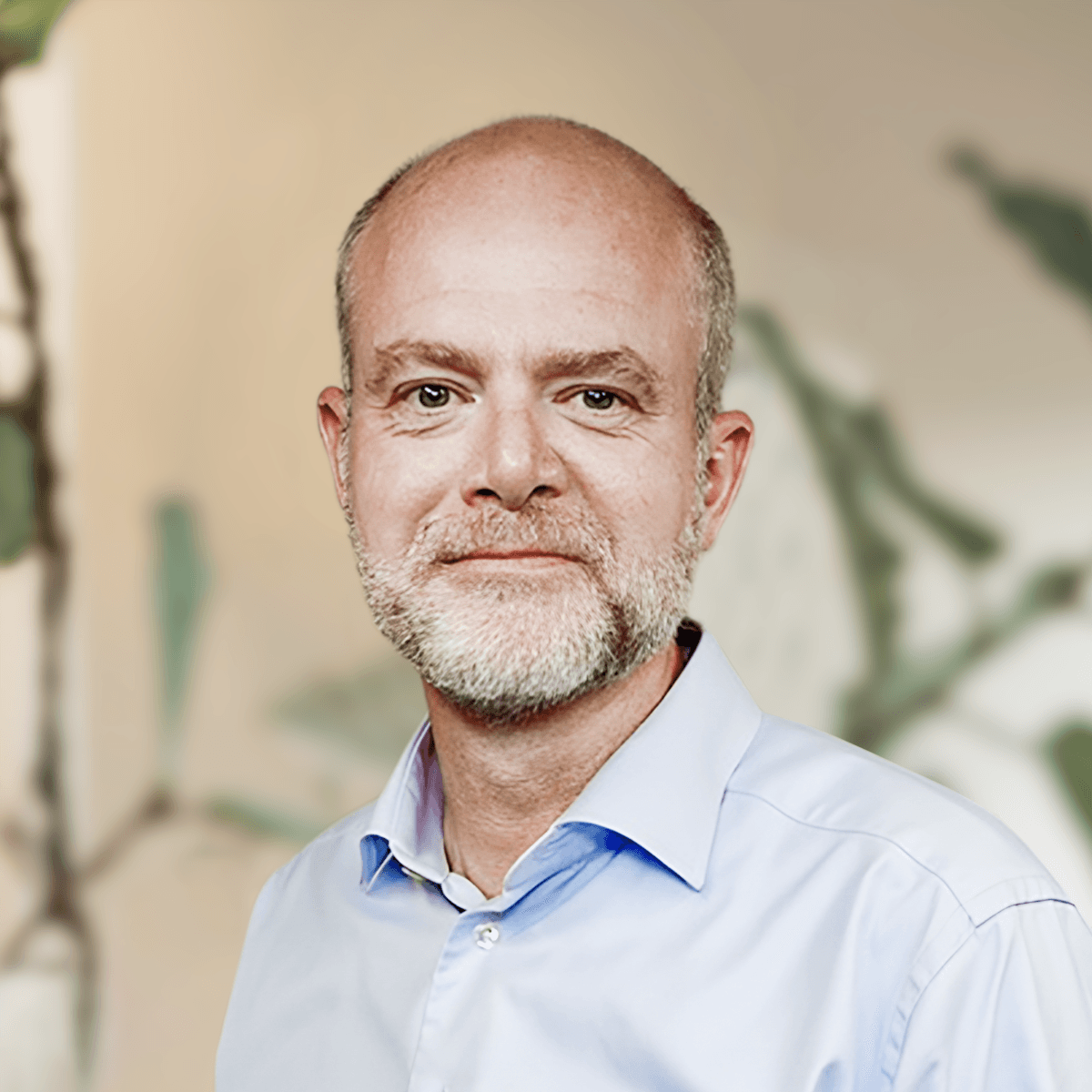
Jacob Vestergaard, Principal & Head of Commercial | ADC
Jacob Vestergaard is a Principal and Head of Commercial at ADC, where he leads strategic client partnerships and commercial development across the Nordic market. Before joining ADC, Jacob spent over 11 years at Microsoft in senior data, AI and consulting sales roles, leading high‑performing teams and driving large‑scale cloud and digital transformation programs for some of Denmark’s largest enterprises. This experience gives him a deep understanding of how to align complex technology agendas with commercial outcomes in enterprise settings. He works with senior stakeholders to shape data and AI roadmaps, connecting ADC’s technical expertise with concrete business outcomes in sectors such as retail, transportation and financial services. Jacob frequently collaborates with cross-functional teams on offerings like Databricks-based data platforms and AI capability building, ensuring ADC’s solutions are grounded in real customer needs and deliver measurable commercial impact.
LinkedInAbout ADC
ADC is a boutique data and AI consultancy. We have decision science, design, and AI engineering in one team — and we work end-to-end across strategy, design, and delivery.
We help data-driven leaders in agriculture and food unlock the power of data, strategy, and digital tools to drive systemic, sustainable impact across the value chain.