You scanned. Good move!
Everything I referenced on stage at COMAR 2026, in one place.
The research, the TASTE prompt card, the videos, the four moves you can run on Monday.
The talk, in three lines
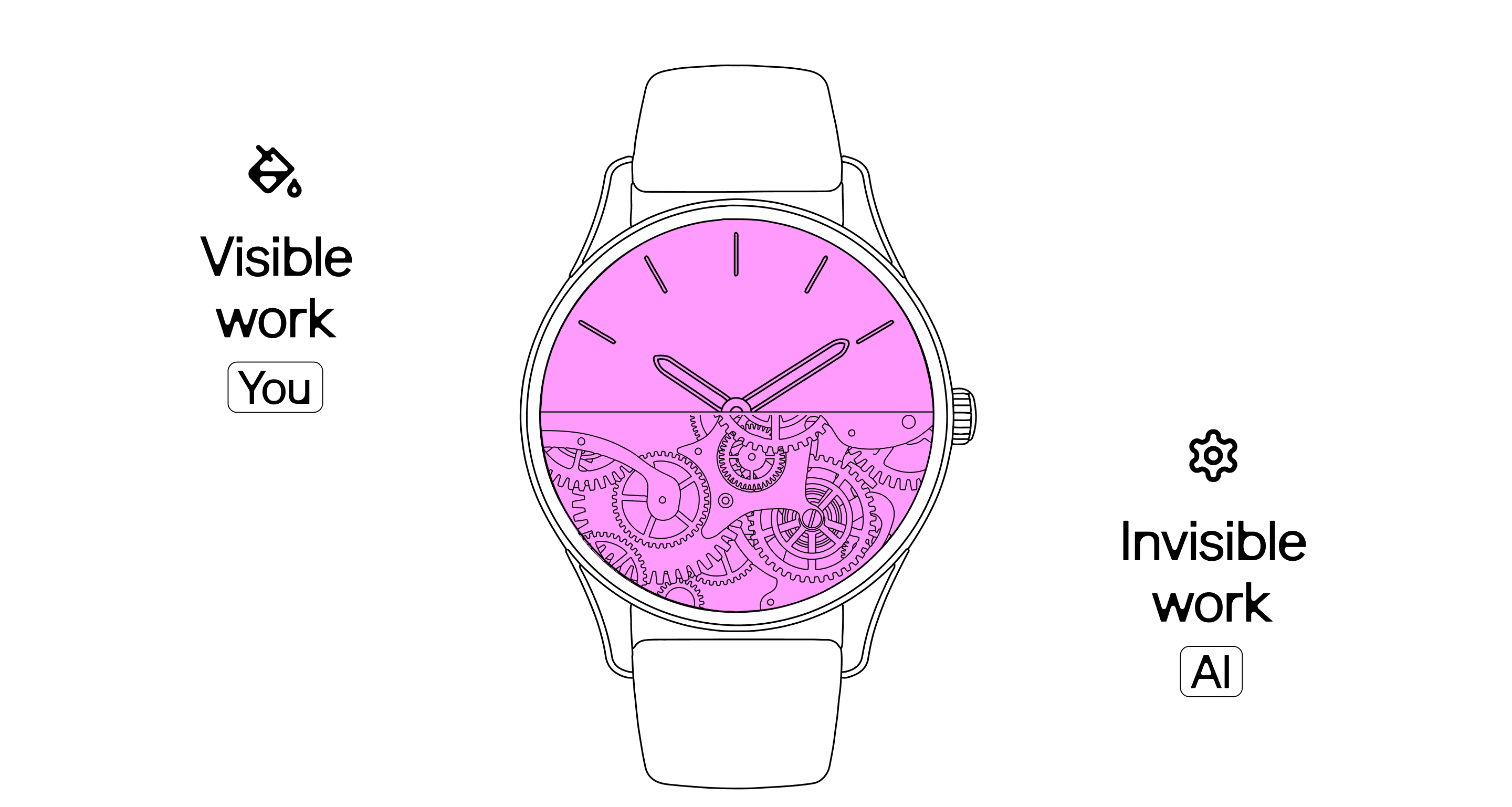
AI should disappear into your invisible work. Your taste has to show up in the visible work. The trick is knowing which is which.
1. Invisible work is AI's job.
Data synthesis, personalisation, A/B testing at scale, optimisation, tagging, translating. Anything no human team could do at immense speed and scale.
2. Visible work is yours.
Brand voice, creative direction, cultural context, judgement, reading the room. This is the work your name goes on, and that has to stay human first.
3. Decision science is the muscle that makes taste reliable.
Taste is the instinct. Experimentation is taste, operationalised.
If you take one thing away: AI makes your judgement more important, not less.
Turning theory into practice
The AI Confidence Ladder
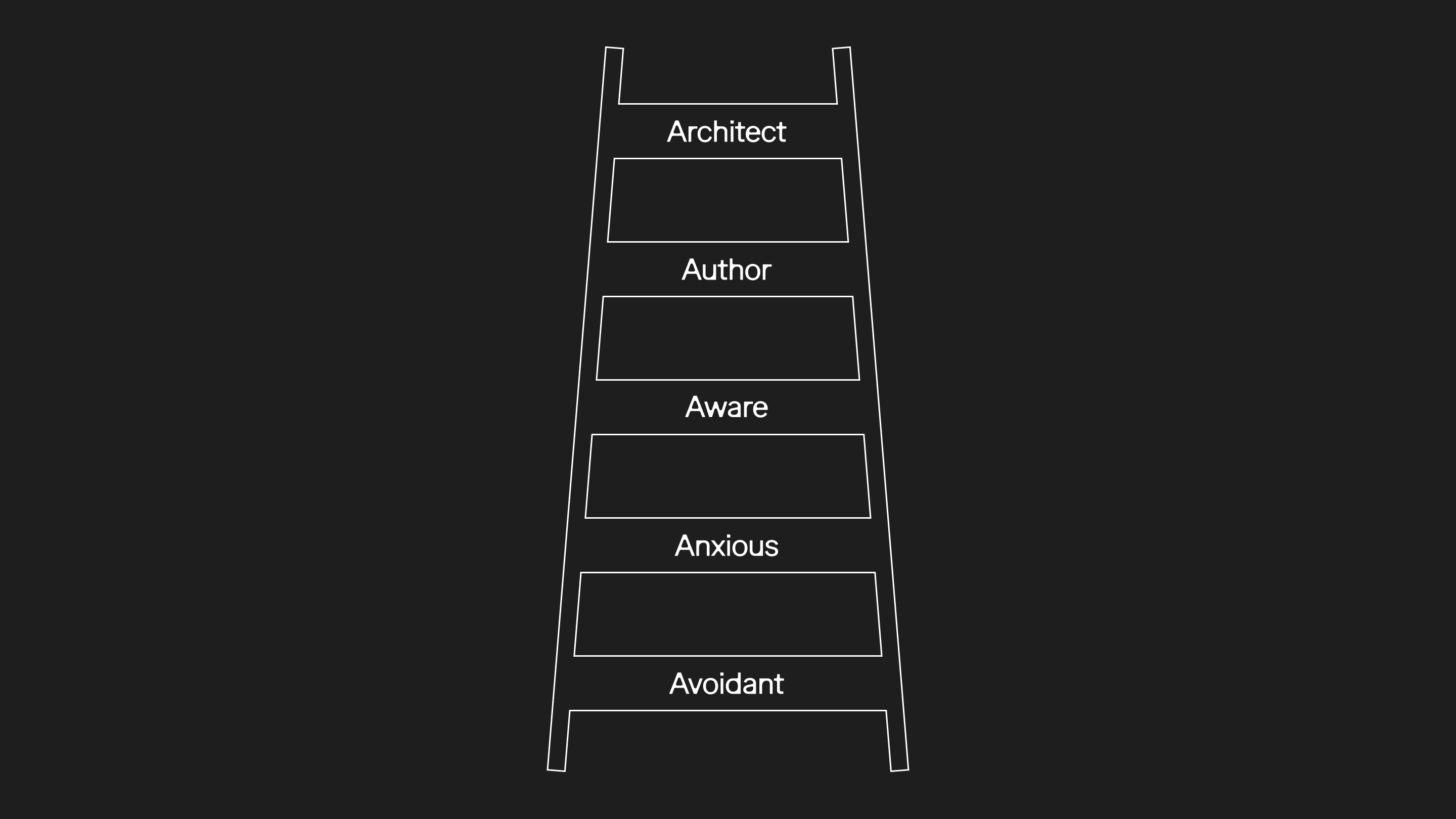
Measure confidence as an indication of capability, measuring usage without judgement risks achieving mediocrity at speed.
Download the AI Confidence LadderFour Mondays, four moves
The toolkit, in order.

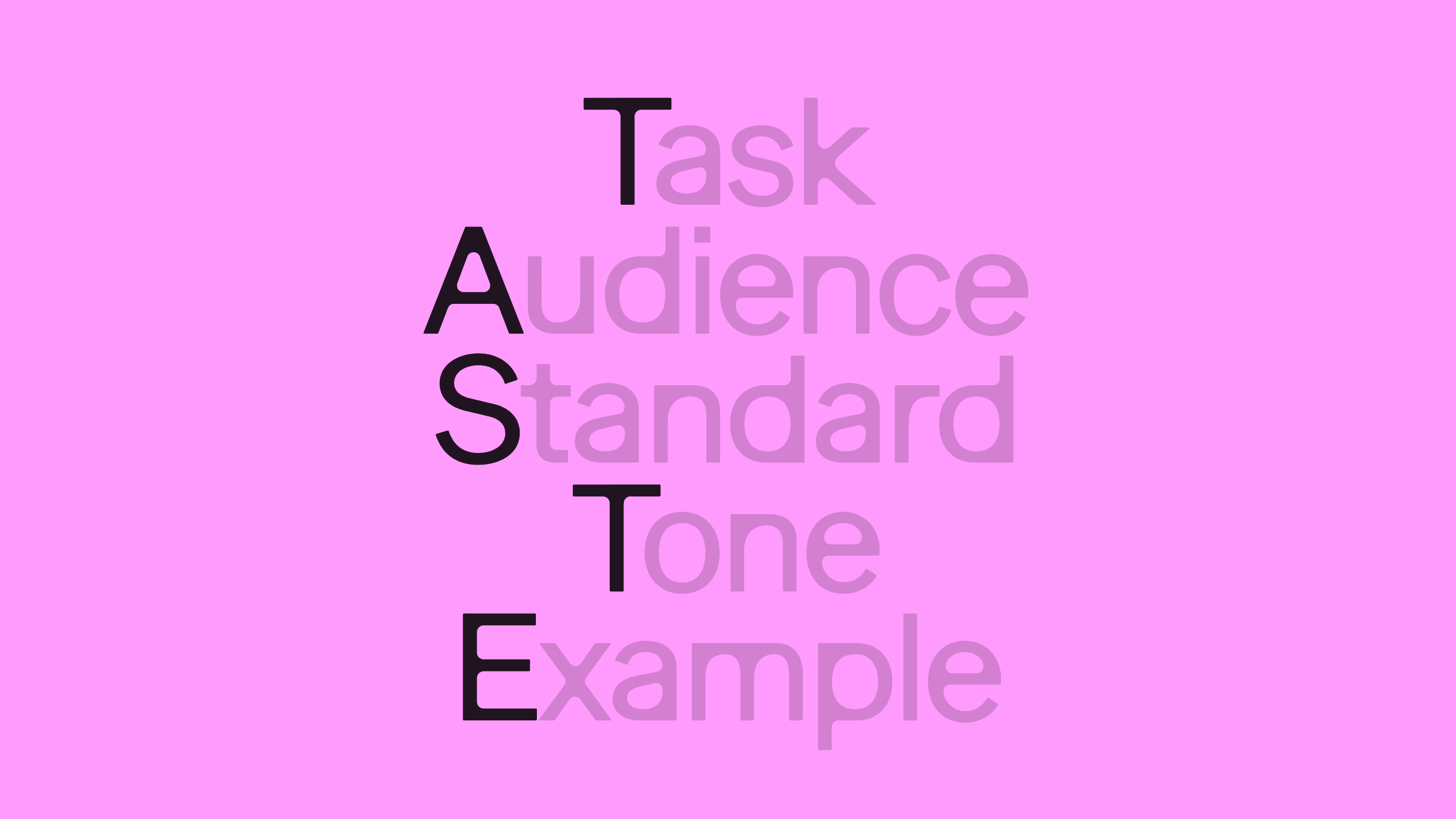
Monday 1 — Run your first TASTE review. Take three AI outputs from last week. Score them against TASTE. Where you score low, you now know why the output was average.
Monday 2 — Pick one workflow and redesign it invisible-first. Whiteboard it with the team. Anything invisible you're still doing by hand? Automate. Anything visible AI is doing for you? Take it back.
Monday 3 — Pick your first experiment. What does your team believe to be true that you've never tested? Pre-register your taste before you run it. Test causation, not correlation.
Monday 4 — Audit your team against the Confidence Ladder. Then swap one usage metric for a confidence metric. Replace "% of team using AI weekly" with "% of AI outputs that pass team TASTE review on first attempt."
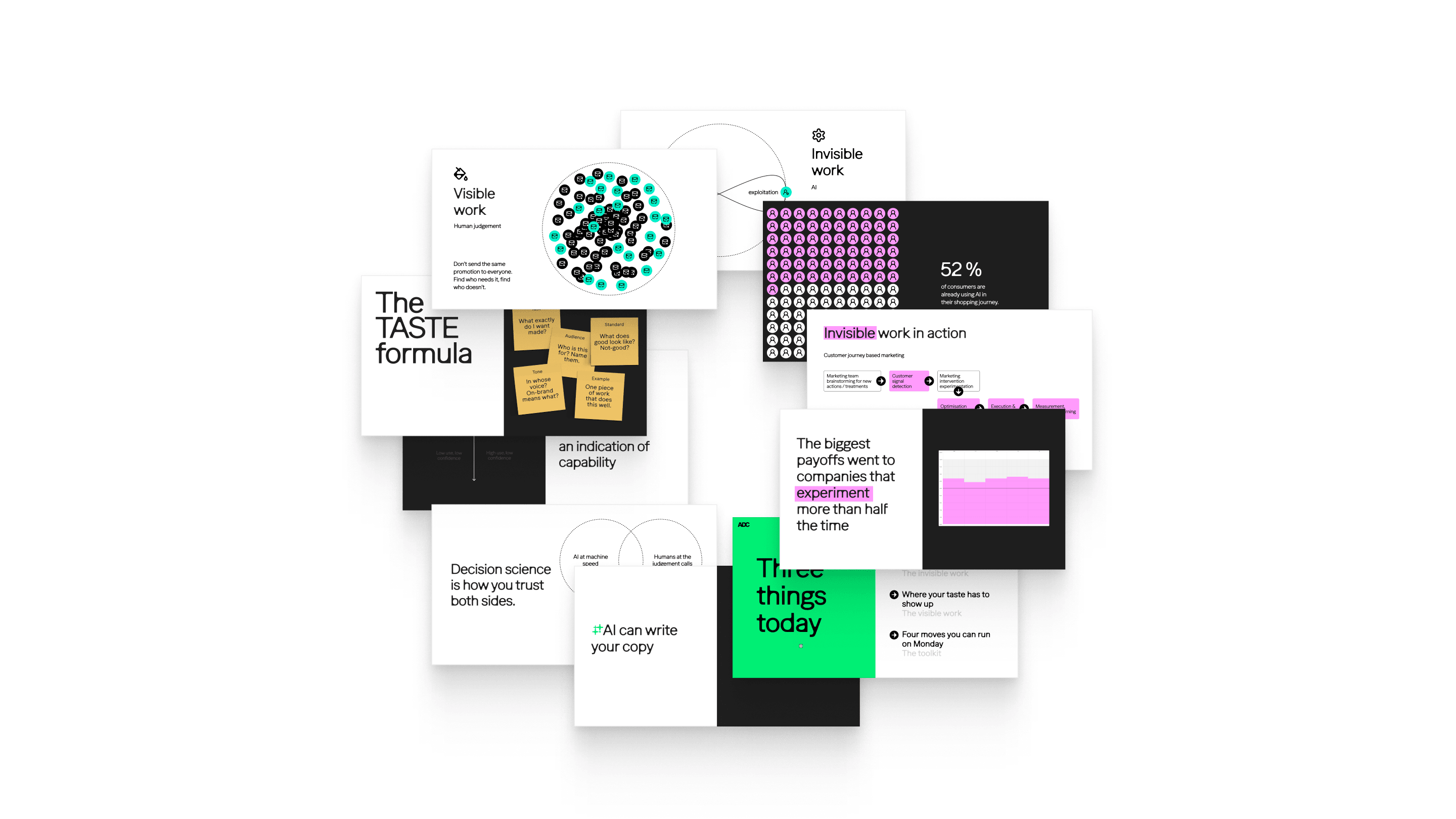
Take the keynote with you
If you enjoyed the presentation and want to share it with your team or come back to it later, you can download the slides here.
The videos I played on stage
These are the clips, in the order you saw them. Worth watching again — or sharing with the colleague who didn't make it.
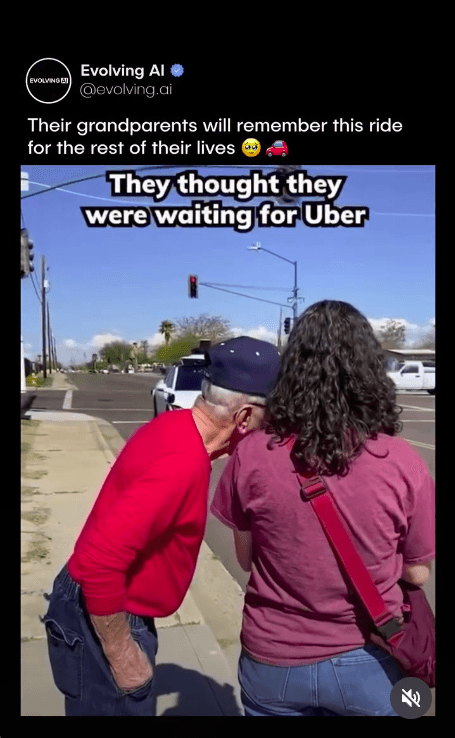
The face of our industry right now.
Waymo passenger reaction reel, a little delighted, a little terrified.
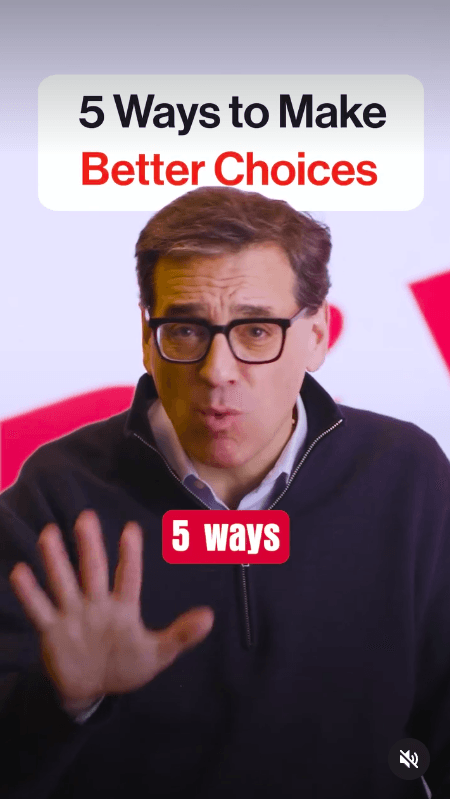
Dan Pink's better-decisions trick.
Ask yourself what you'd tell your best friend to do.
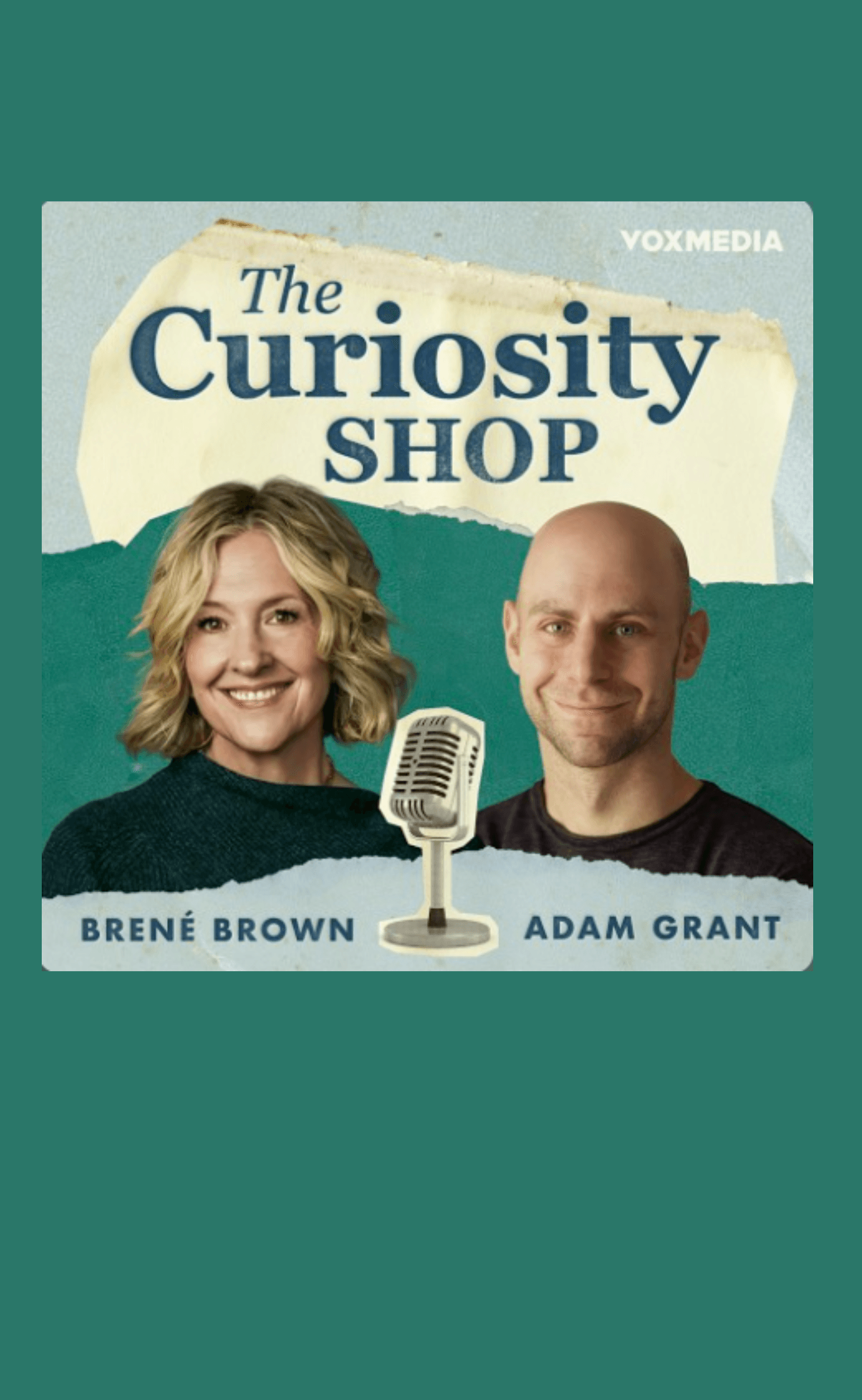
Brené Brown on AI hallucinations.
60 to 70% of the sources her team's AI returned were fabricated, confidently. Skip to ~1:02:38.
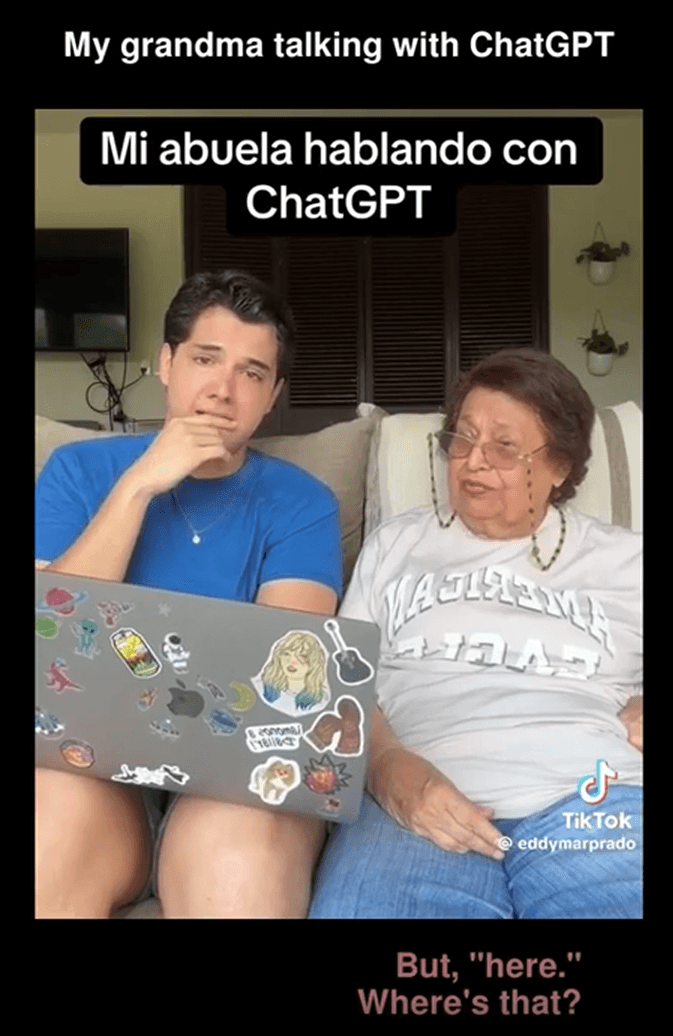
The face I want you to remember too.
The closer. Second customer reaction.
Want to chat?
If anything in the talk resonated, or you've got a marketing problem you'd like to talk through, please leave your details and I'll be in touch.
Leave your details hereAbout ADC
ADC is a boutique data and AI consultancy. We have decision science, design, and AI engineering in one team — and we work end-to-end across strategy, design, and delivery.
We help data-driven leaders turn ambition into action, especially in the high-stakes moments where the margin for error is small and the consequences of being wrong are real. Translated for today's talk: we help marketing teams put AI to work on the invisible stuff and sharpen the visible stuff. Without losing what makes their marketing good.
The research, with receipts
Everything I cited, with the actual papers underneath. Clickable, in case you want to send a colleague the source instead of a screenshot of my slide.
The payoff of doing this well
Invisible work, done well
- "Agentic Personalisation of Cross-Channel Marketing Experiences" — Sami Abboud, Eleanor Hanna, Olivier Jeunen, Vineesha Raheja & Schaun Wheeler, arXiv, 2025
- "The Adyen Index: Retail Report 2025, Chapter 2 — Smarter Shopping: Why Retailers Need to Embrace AI Now" — Adyen, 2025
Why visible work is your moat
- "AI Is Upending Marketing on Two Fronts" — Stefano Puntoni, Harvard Business Review, 2026
- "Large Language Models Reduce Public Knowledge Sharing on Online Q&A Platforms" — R. Maria del Rio-Chanona, Nadzeya Laurentsyeva & Johannes Wachs, PNAS Nexus, 2024
Taste as the new superpower
- "Philosophy Eats AI" — Michael Schrage & David Kiron, MIT Sloan Management Review, 2025
- "Is Google's Gemini chatbot woke by accident, or by design?" — The Economist, February 2024
- "Design in Tech Report 2024–2025: From UX → DX → AX" — John Maeda, 2025
- "AI Can't Give You Good Taste" — Elizabeth Goodspeed, It's Nice That, 2024
- "The Creative Marketer newsletter" — Shlomo Genchin
Decision science and experimentation
- "Marketing A/B Testing at Zalando" — Octavian-Eugen Ganea, Towards Data Science (Medium), 2019
- "How Incrementality Testing Can Improve Your Marketing Strategy" — JD Ohlinger , Nik Nedyalkov, Think with Google, 2023
- "Strengthen media measurement and ROI clarity with incrementality testing improvements" — Google Ads Help, 2025