At large fashion brands, sourcing and sustainability are rarely on the same team.
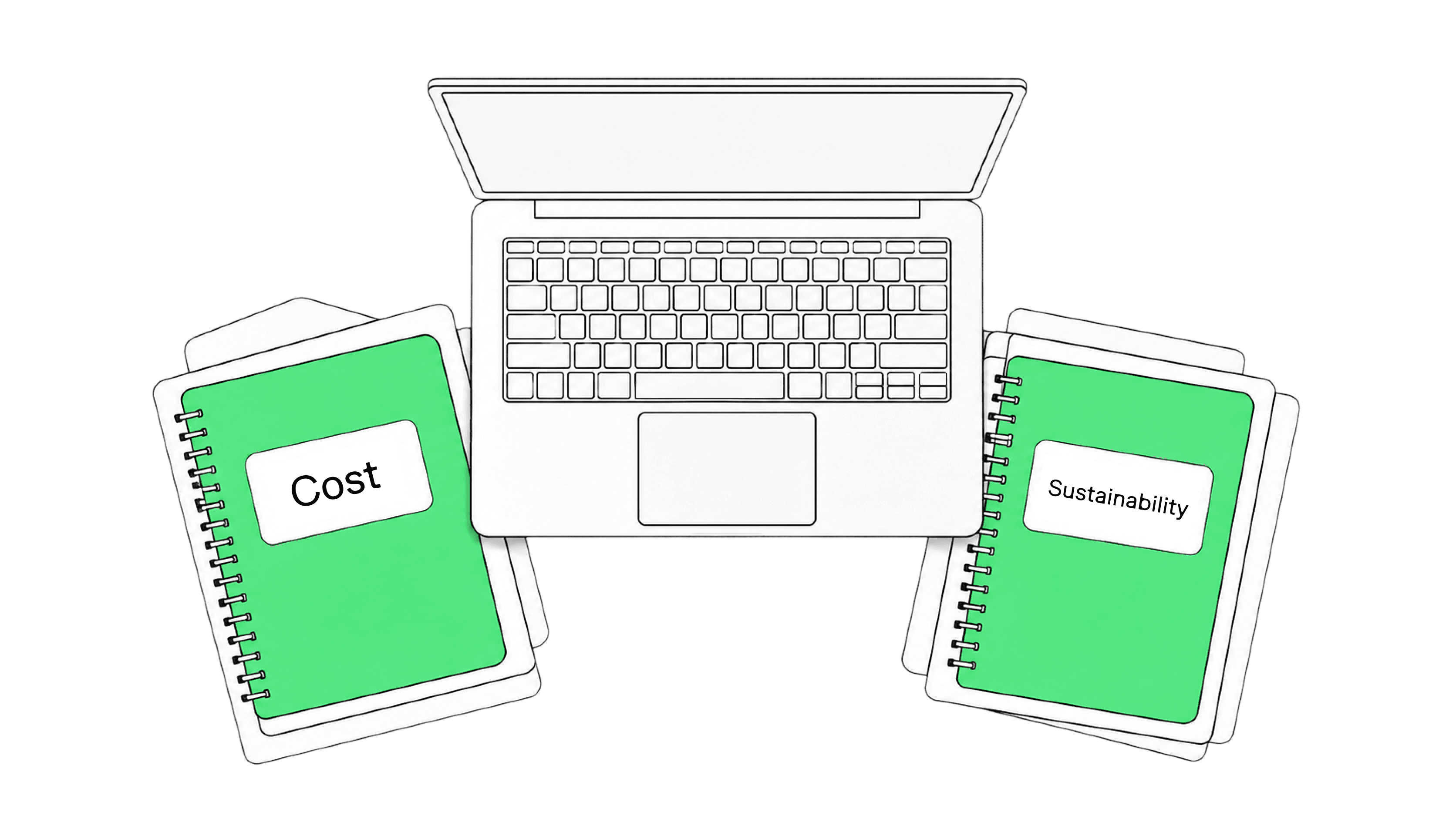
Sourcing cuts costs. Sustainability raises standards. Money usually wins. Over breakfast, we’ll explore how data and AI can make the sustainable choice the economical one too.
Who this is for
-
Sourcing, Supply Chain and Sustainability leads/ experts at large clothing brands.
-
Preferably those that are familiar with the available data within their organisation and/or have innovative ideas for more sustainable sourcing strategies.
What we'll get into
We’ll discuss two “sustainable sourcing strategies” that align Sourcing and Sustainability. Both build on the centralised data infrastructure brands have been investing in for compliance and reporting, turning it into a strategic asset that benefits the whole brand.
Presented by Fleur Fok, ADC
1. The resilient sourcing strategy
Connecting multiple data sources to your supply chain surfaces hidden risks and diversification opportunities. With an ADC dashboard, we’ll show where you’re most exposed and use Causal Inference to measure the real impact of sourcing decisions on cost, risk, and performance.


For Sourcing: a more resilient strategy, where diversity of suppliers, regions, and materials is actively managed, not assumed.

For Sustainability: stronger data infrastructure means more transparency, traceability, and a natural path toward more sustainable materials and practices.
Presented by Barbara Quintas Pestana da Cruz, ZDHC
2. Chemical management as a sourcing lever
ZDHC’s data on chemical use and MRSL conformance enables risk-based sourcing. By linking the ZDHC Gateway to your supply chain data, you can spot where contamination risks concentrate, and turn impact data into a decision tool, not just a reporting obligation.

For Sourcing: better insight into facility‑level chemical management means lower‑risk decisions and fewer costly disruptions.
For Sustainability: higher MRSL conformance drives real reductions in pollution and contamination across the supply chain.
Then, over to you.
This breakfast is as much about peer exchange as it is about inspiration. Under Chatham House rules, we’ll open the floor to discuss what’s already working in your organisations — and what isn’t.
Join our waiting list! We hope to welcome you to the discussion if a seat becomes available.
Programme

At 08.00 o' clock, we'll welcome you with breakfast

Then, at 08.30, we'll begin with lightning talks

Finally, at 09.00, we'll have roundtable discussions where we exchange experiences and share insights from ADC

At 10.30, we'll close the event and leave you with practical next steps you can put into action straight away.
Event details
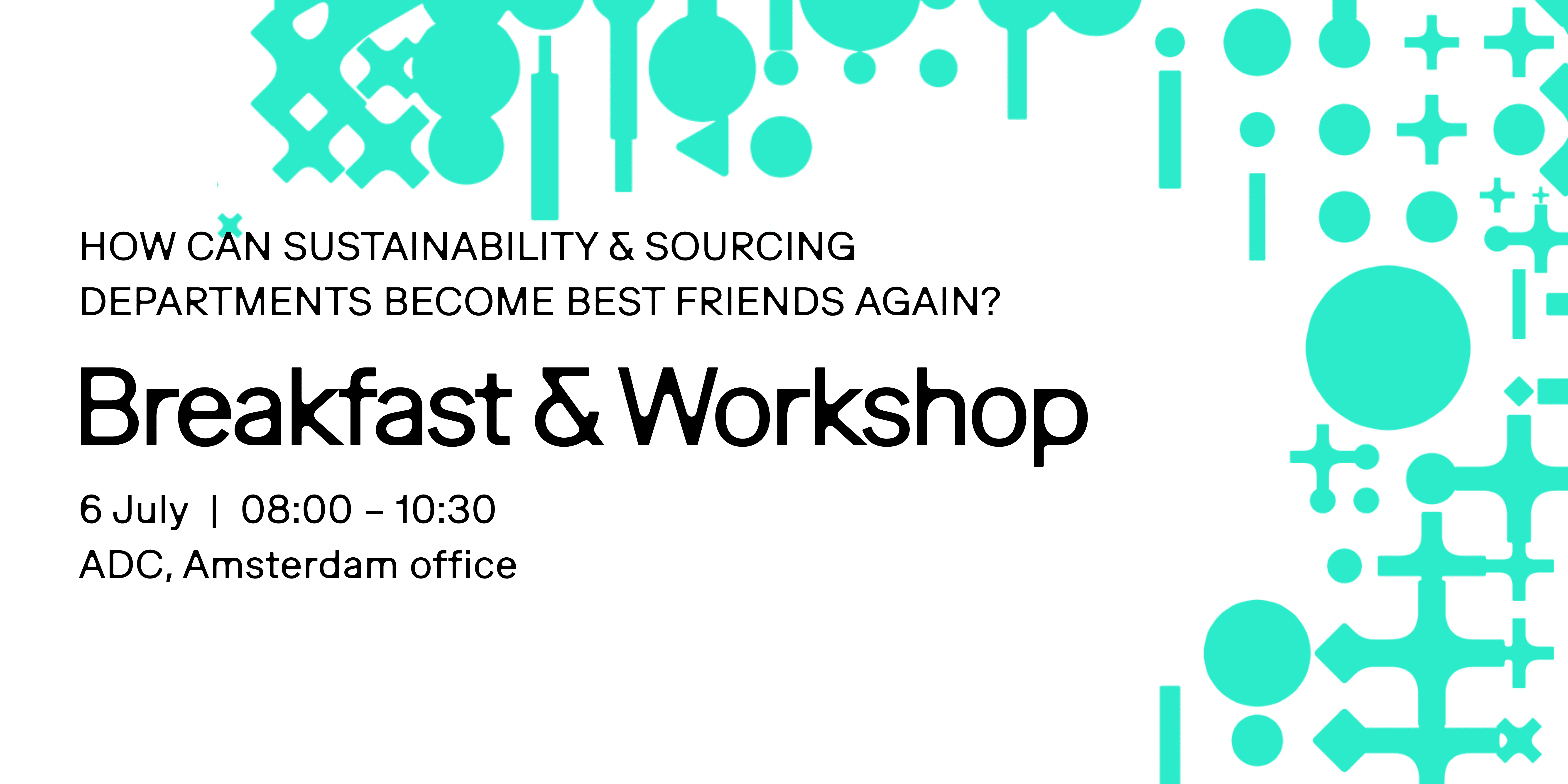
Date: 6 July 2026
Time: 08:00 – 10:30
Location: ADC, De Ruijterkade 7, 1013 AA Amsterdam
Participation: Free of charge. Limited spaces to keep the room small and the conversation honest.
About ADC
ADC is a boutique data and AI consultancy. We have decision science, design, and AI engineering in one team — and we work end-to-end across strategy, design, and delivery.
We help data-driven leaders in agriculture and food unlock the power of data, strategy, and digital tools to drive systemic, sustainable impact across the value chain.